
Harf-e-Mustaar by Satish Jha Brings the Political Ghazal Back to the Center of Literary Debate
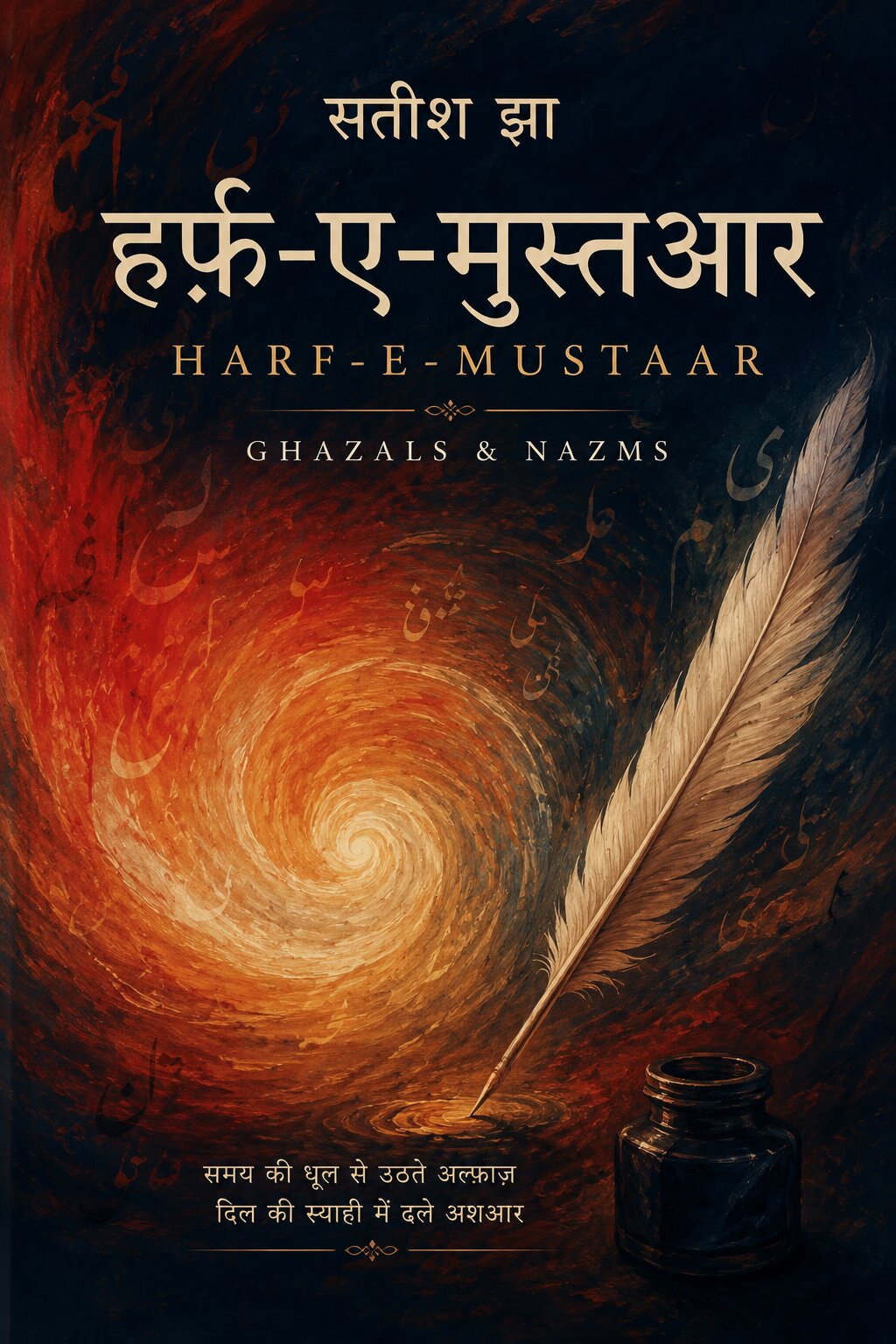
Harf-E-Mustaar
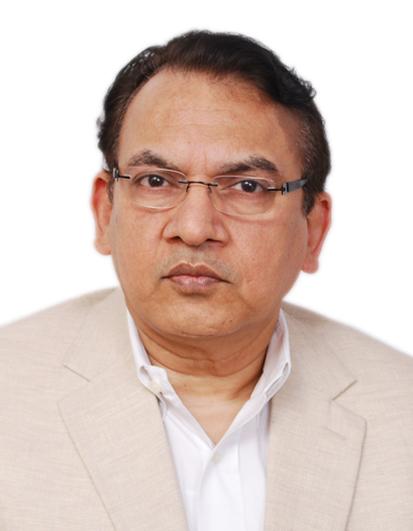
Satish Jha
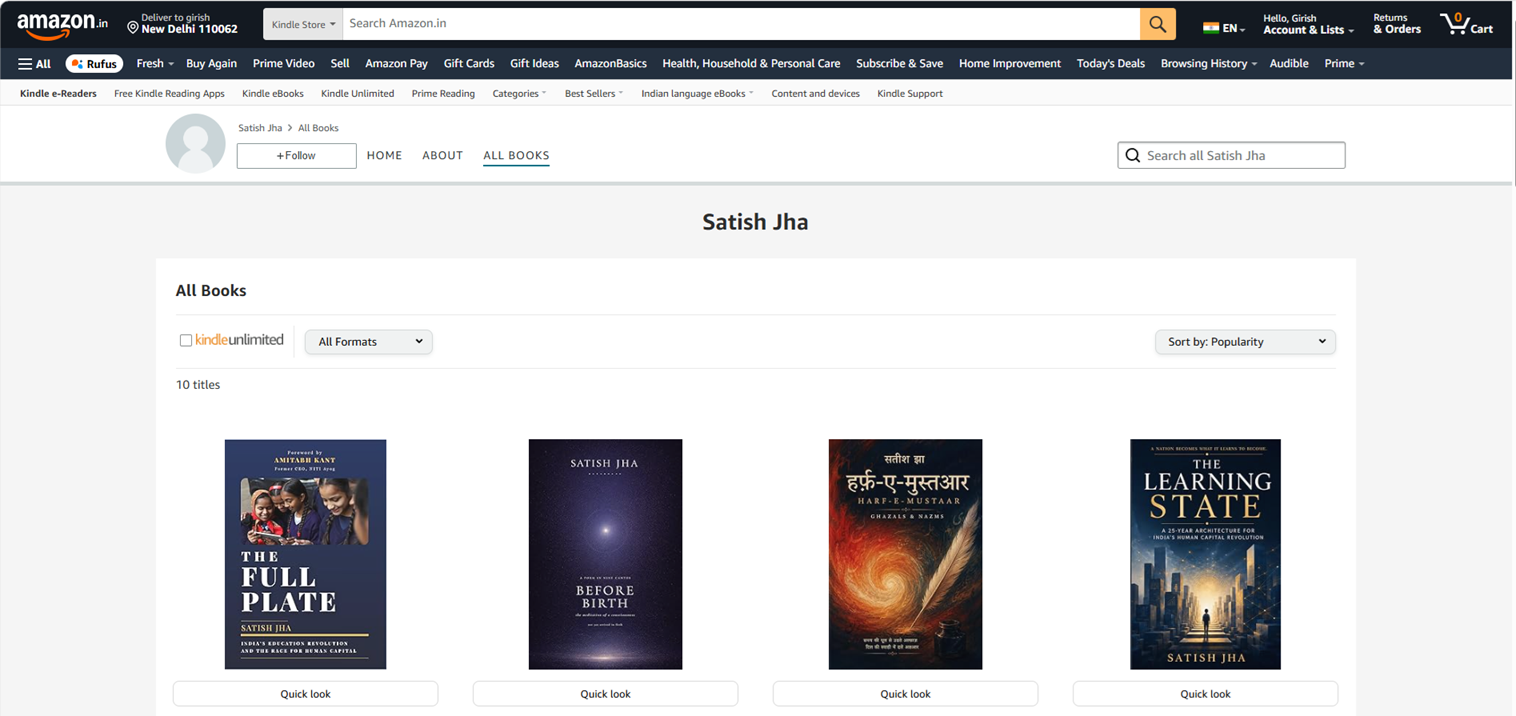
Harf-E-Mustaar on Amazon
"Harf-e-Mustaar" by Satish Jha asks if classical ghazal can still bear the weight of our shared promises, memory, and hope—beyond headlines, toward permanence.
Poetry is not meant to chase events but to reveal what never changes. Empires fade, promises break, yet the human spirit keeps seeking truth. A poet leaves light for those who walk after.”
NEW DELHI, DELHI, INDIA, August 1, 2026 /EINPresswire.com/ -- New Delhi / Boston | July 2026— Satish Jha
The publication of Harf-e-Mustaar: Ghazals, Nazms and Reflections by Satish Jha on Amazon Kindle marks the arrival of a work that is likely to invite serious discussion within the Urdu-Hindustani literary tradition. Rather than presenting itself merely as another collection of contemporary ghazals, the volume advances an explicit argument about what the ghazal remains capable of achieving in the twenty-first century.
The collection contains fourteen ghazals, three nazms, and an extended critical introduction examining both the classical architecture of the ghazal and the author’s own formal experiments within that tradition. The introductory essay argues that the ghazal remains one of the world’s most demanding poetic forms because it requires each couplet to stand independently while simultaneously contributing to a larger moral and emotional structure. It further identifies four formal innovations that the author believes expand the expressive possibilities of the genre.
Whether literary scholarship ultimately accepts these claims will remain a matter for critics and future readers. Yet the collection’s ambition is unmistakable. Unlike much recent political verse, which frequently abandons inherited forms in favour of free verse or direct protest poetry, Harf-e-Mustaar attempts to return political anxiety to the classical discipline of the ghazal itself.
Several poems engage constitutional promises, public institutions, education, democratic accountability, displacement, memory, and the moral burdens of citizenship. Rather than employing overt slogans, they seek to work through the traditional grammar of the ghazal—its radif, qaafiya, ambiguity and emotional compression—to produce civic rather than merely personal lament.
In that respect, the book naturally enters a conversation with the great modern political voices of the subcontinent. During the twentieth century, Faiz Ahmed Faiz transformed the ghazal by allowing the beloved and the republic to inhabit the same poetic space. Dushyant Kumar brought the idiom of democratic frustration into modern Hindi while preserving the intensity and compression of the ghazal tradition. Half a century later, Harf-e-Mustaar belongs within this continuing conversation—not because it reproduces either predecessor, but because it attempts a different synthesis: bringing constitutional language, educational decline, institutional memory, and democratic promises into the architecture of the classical ghazal.
Its distinctive contribution appears to lie less in ideological position than in formal construction. The collection repeatedly asks whether legal language, constitutional vocabulary, educational decline and civic disappointment can acquire the emotional density traditionally reserved for love, separation and longing. If that experiment succeeds in the judgment of future critics, the volume may represent one of the more significant developments in contemporary political ghazal writing.
The book also differs from much contemporary political poetry by resisting immediacy for permanence. Most poems avoid references that would lose meaning with changing governments or electoral cycles. Instead they concern themselves with institutions, promises, memory, citizenship and history—themes with considerably longer literary lives.
Satish Jha is better known internationally for his work as a journalist, technology executive and education reform advocate than as a poet. His preface describes the poems as emerging unexpectedly during years of travel, often in anonymous hotel rooms, after decades spent writing editorials and public argument. He suggests that poetry arrived not through literary ambition but because prose eventually proved inadequate for certain experiences.
Speaking on the publication, Satish Jha said:
“Poetry should never become an extension of today’s headlines. If these ghazals endure, it will not be because they criticised a government or defended an institution. They will endure only if future readers discover in them something recognisable about the human condition—the promises societies make to themselves, the promises they break, and the hope that survives both. Every generation inherits unfinished conversations. A poet merely leaves the next generation better language with which to continue them.”
The publisher noted:
“Harf-e-Mustaar is intended as a literary work rather than a political intervention. Readers will undoubtedly disagree with particular arguments, rankings and interpretations presented in the volume. That disagreement is part of the tradition the book seeks to enter. Our expectation is not immediate consensus but sustained critical engagement. If the collection succeeds, it will be because scholars, poets and readers continue debating its formal claims many years after today’s public controversies have faded.”
Now available worldwide on Amazon Kindle, Harf-e-Mustaar seeks not to revive nostalgia for the classical ghazal, but to test whether one of South Asia’s oldest poetic forms can still carry the moral and constitutional anxieties of a democratic age.
Abbinav Gupta
Pinewood Systems
+91 99100 22922
email us here
Visit us on social media:
LinkedIn
Legal Disclaimer:
EIN Presswire provides this news content "as is" without warranty of any kind. We do not accept any responsibility or liability for the accuracy, content, images, videos, licenses, completeness, legality, or reliability of the information contained in this article. If you have any complaints or copyright issues related to this article, kindly contact the author above.
